
 Author : Francy Wishny G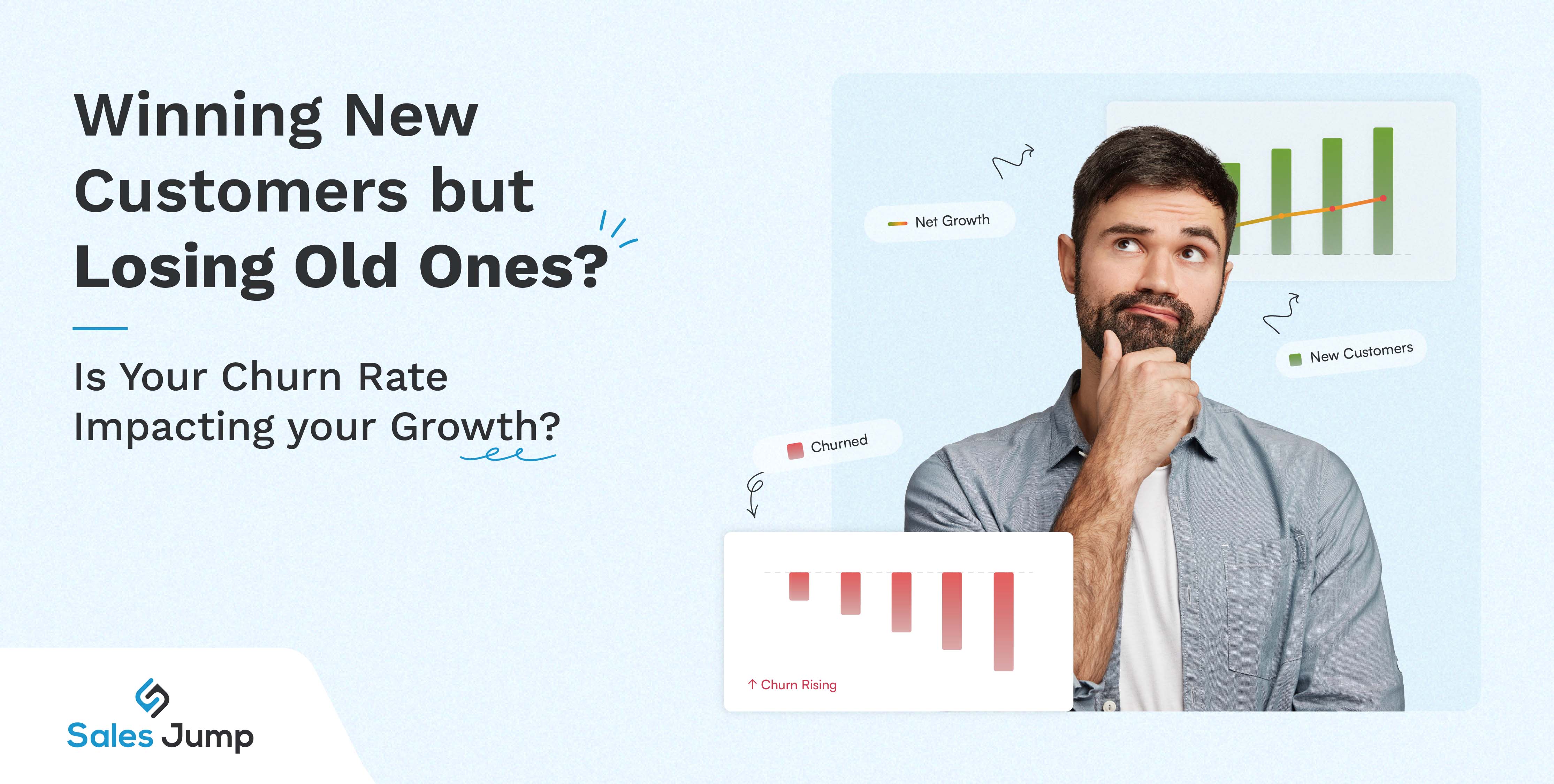
Most Brands Lose Customers Faster Than They Realize!
A large percentage of newly acquired customers never return after their first or second purchase.
Not because the product failed.
Not because there’s no demand.
But because customer retention is rarely measured with the same intensity as acquisition.
This is where most businesses get it wrong.
They track primary and secondary sales. They track distribution. They track performance metrics. But they don’t track how many customers they are losing along the way.
And without that visibility, growth becomes misleading.
Because when customer loss goes unnoticed, rising sales often mask a deeper issue- you’re not truly growing your customer base, you’re simply replacing the customers you’ve lost.
This is exactly what churn rate reveals.
It shifts the focus from just how much you sell to how many customers actually stay.
And that shift is what separates short-term wins from sustainable brand growth.
What is Churn Rate?
Churn rate is the percentage of customers who stop engaging with your brand over a given period of time.
But beyond definition, churn rate represents something deeper:
👉 It reflects how strong your brand truly is in holding customer attention and loyalty In real-world terms, churn is not an event, it’s a pattern.
A customer who:
✔ Doesn’t repurchase.
✔ Switches to another brand.
✔ Reduces buying frequency.
Is not just “inactive”- they are part of your churn.
And when this pattern repeats across hundreds or thousands of customers, it directly impacts your growth.
Why Churn Rate Is Critical for Brand Growth
Growth is often measured by how many new customers you bring in.
But that’s only half the equation.
Because every time a customer leaves:
✔ You lose future revenue.
✔ You lose repeat sales.
✔ You increase the pressure on acquisition.
Over time, this creates a cycle where:
👉 You’re constantly working to replace what you’ve already lost
Which means:
✔ Your marketing efforts become heavier.
✔ Your costs increase.
✔ Your growth becomes inconsistent.
True brand growth, on the other hand, happens when customers don’t just try your product, they continue choosing it.
How to Calculate Churn Rate
On paper, churn rate looks like a simple formula.
But in reality, it reflects customer behaviour over time.
At any given point, you have a base of customers actively buying your product.
As time passes, some of them naturally drop off.
They don’t announce it.
They don’t provide feedback.
They simply stop choosing your brand.
Churn rate measures that drop.
Understanding It Practically
Let’s look at this from a real-world business perspective.
At the beginning of a month, you have a defined set of active customers.
By the end of that period, a portion of them:
✔ didn’t return.
✔ didn’t reorder.
✔ didn’t engage again.
Those customers are considered “lost” for that period.
Now, when you compare:
✔ How many you started with.
✔ Versus how many you lost.
You get your churn rate.
Why This Matters?
The calculation itself is simple.
But what it reveals is powerful:
👉 It tells you whether your business is retaining value or constantly losing it.
Because even a moderate churn rate, when repeated over time, leads to:
✔ Erosion of customer base.
✔ Reduced predictability in sales and sales forecasting.
✔ Higher dependency on continuous acquisition.
And most importantly, it prevents your brand from building long-term stability.
Why Churn Often Goes Unnoticed
One of the biggest challenges with churn is that it’s not always visible.
There’s no clear signal.
Customers don’t formally exit.
They just:
✔ Stop buying.
✔ Switch preferences.
✔ Move to alternatives.
Which means unless you are actively measuring it, churn becomes an invisible gap in your performance.
DID YOU KNOW?
Businesses can lose up to 20–30% of their customers annually without actively tracking churn often without realizing the long-term impact on revenue and growth.
What Drives Churn in Real Terms
Churn is rarely caused by a single issue. It’s usually the result of small, consistent gaps.
✨ Inconsistent Experience
If the experience varies, customers don’t build a habit.
✨ Lack of Differentiation
If alternatives feel similar, switching becomes easy.
✨ Availability Gaps
If the product isn’t accessible when needed, customers move on.
✨ Weak Recall
If the brand doesn’t stay top-of-mind, repeat purchase drops.
✨ External Influence
Retailers, competitors, and offers subtly shift decisions.
How to Use Churn Rate to Drive Better Growth
Tracking churn is not the end goal, acting on it is.
Here’s how it helps:
⭐ Shift from Volume to Value
Instead of focusing only on new customers, focus on customer lifetime.
⭐ Identify Weak Points
Where are customers dropping off? After first purchase? After trial?
⭐ Strengthen Retention Strategies
Consistency, availability, and recall become key drivers.
⭐ Improve Decision-Making
Churn data gives clarity on what’s working, and what’s not.
Growth Without Retention Is Incomplete
It’s easy to chase numbers.
More customers.
More reach.
More sales.
But without retention, these numbers don’t build momentum. Because real growth is not about how many customers you gain, it’s about how many stay, return, and choose you again.
And churn rate is the metric that brings that reality into focus.
Final Thoughts
Churn rate is not just a calculation.
It’s a reflection of your brand’s ability to sustain relationships with customers.
It tells you:
✔ Whether your growth is stable.
✔ Whether your customers are loyal.
✔ Whether your efforts are creating long-term value.
Because in the end, businesses don’t grow by constantly replacing customers ...
They grow by keeping them.
Frequently Asked Questions (FAQ)
1. What is a good churn rate?
A good churn rate is generally low, but it depends on your industry and market dynamics. What matters more is keeping it stable or improving over time.
2. How is churn rate different from retention rate?
Churn rate measures customer loss, while retention rate measures how many customers stay. Both together reflect the true strength of your customer base.
3. Why does churn rate matter for growth?
High churn cancels out new customer acquisition, making growth inefficient. It forces businesses to spend more just to maintain current performance.
4. What causes customers to churn?
Customers churn due to inconsistent experience, lack of availability, or better alternatives. Even small gaps over time can lead to drop-offs.
5. How does churn impact long-term revenue?
Higher churn reduces how long customers stay with your brand, lowering overall revenue per customer. Lower churn helps build stable and predictable income.
6. What is the first step to reducing churn?
The first step is consistently measuring churn and identifying where customers drop off. Without clear visibility, retention strategies lack direction.