
 Author : Francy Wishny G
How Sales Force Automation (SFA) Software helps Cosmetics Industry
A sales representative in the cosmetics industry may spend the day checking product availability, visiting beauty stores, salons or pharmacies, taking orders, checking displays, promoting products, and sharing market feedback.
Across hundreds or thousands of outlets, keeping track of these activities can become difficult. Spreadsheets, calls, and end-of-day reports can make it hard to understand what sales managers expect to happen and what is actually happening in the market.
That’s where Sales Force Automation (SFA) software can help. It connects beat planning and outlet visits to order booking, retail execution, market intelligence and sales reporting, while also helping brands promote products, offers and new launches through their field teams.
With SFA, reps can capture orders, promotions, displays and market feedback during their visits, while managers get a clearer view of what is happening across outlets making it easier to plan, execute and improve field sales.
Why Do Cosmetics Companies Need Sales Force Automation?
The beauty market is expanding while the way consumers discover and buy products is changing. McKinsey expects the global beauty market to grow 5 percent annually through 2030 and reach $590 billion by 2030. E-commerce, social commerce, and changing retail behavior are also reshaping how brands reach consumers.
For cosmetics companies, this makes field execution increasingly important. Sales managers need answers to practical questions: Which outlets should be visited? Are priority SKUs available? What is being reordered? Are new products reaching the right store? Are displays and promotions being executed? What are retailers saying about competitors?
Sales Force Automation brings these activities into one connected field-sales workflow.
How Does Sales Force Automation Work for Cosmetics Companies?
A cosmetics SFA workflow can be understood as:
Plan → Visit → Order → Execute → Capture → Analyze → Act
Instead of treating each activity as a separate report, the system connects with them, so managers can see how field activity relates to orders, products, outlets, and sales performance.
1. Automate Beat Planning and Outlet Visits
Cosmetics brands often sell through distributors, beauty stores, salons, pharmacies, supermarkets, modern trade and specialty retailers. A structured beat plan can assign outlets according to territory, outlet type, potential, visit frequency and business priorities.
SFA helps translate the route-to-market (RTM) strategy into day-to-day field execution. Managers can define planned visits; track completed visits and identify whether right outlets are covered at the right frequency.
This makes RTM strategy into day-to-day field execution more measurable instead of relying only on manually prepared routes.
2. Give Representatives the Right Outlet Information Before the Visit
Reps should not have to reconstruct an outlet’s history before every call. They can access previous orders, order frequency, product mix, sales history, targets, observations, and applicable schemes before the visit.
This context helps them make the conversation more relevant and identify what needs replenishment or attention.
3. Automate Order Booking at the Outlet
Cosmetics portfolios can include multiple categories, shades, sizes, and variants. A mobile order workflow lets reps select products and quantities directly at the outlet.
Digital order capture reduces duplicate entry, speeds up reporting, and gives businesses faster visibility into demand and product movement. Brands can also connect order booking with pricing, schemes, stock, or product details where required.
4. Track Product Availability and Replenishment
An order does not always mean the product is available on the shelf. A fast-moving shade can sell out while another variant remains in stock.
SFA can capture availability, stock observations, out-of-stock products, and replenishment requirements at outlet level. Managers can then analyze movement by SKU, territory, retailer, and product category to identify recurring availability issues and fast- or slow-moving products.
5. Track Retail Execution and Merchandising
Sales plans only matter when they reach the market. Reps may need to check shelf placement, displays, promotional material, product availability, and competitor presence.
Photo capture and structured activity data help managers verify execution and connect sales plans with what is actually happening at the outlet.
6. Manage New Product Launches
A cosmetic launch goes beyond sending stock to distributors. Teams need to track whether products reach target outlets, are introduced by reps, generate orders, and gain shelf visibility.
SFA connects the launch plan with market availability, helping managers spot slower-adopting outlets or territories and take timely action.
7. Promoter Software for Cosmetics Brands
In cosmetics and personal care, promoters help introduce products, explain offers, maintain displays and engage shoppers at the outlet. Promoter software helps bring these activities into the field-sales workflow, from promoter tracking and stock checks to product promotion and execution.
8. Connect Sell-In with What Is Happening at the Outlet
Distributor orders show what has been supplied; they do not always show what is moving through the market. One SKU may be overstocked while another is unavailable at retail levels.
By connecting distributors, outlet and field information, businesses can compare what has been supplied and what is moving through the market.
A connected view such as :
Plan → Visit → Order → Execute → Capture → Analyze → Act
Helps managers investigate where demand, availability or execution is affecting sales.
Cosmetics Brands We Drove Revenue Growth For:
SalesJump has implemented tailored field solutions to help brands strengthen product promotion, promoter management, and execution at the point of sale.
TSR Gokul Sandal
The In-Shop Promoter Management module implemented for TSR Gokul Sandal helps manage promoter attendance, opening and closing stock, and in-store product movement. Event Capture Reporting further helps teams document promotional displays, pamphlets, and store-level brand execution.

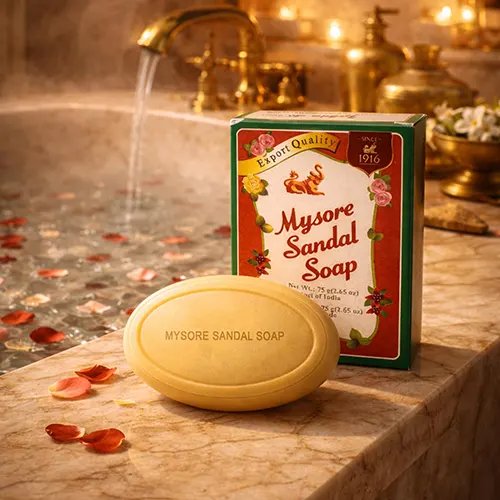
Mysore Sandal
The Distributor Stock Upload and SKU Summary Reporting modules implemented for Mysore Sandal help teams monitor product availability and movement more closely. This supports better stock readiness, helping the brand keep products available where promotional efforts are being carried out.
Jiden
The Outlet Management and Field Activity modules implemented for Jiden help teams capture retailer interactions and market-level execution digitally. This gives the brand a more structured way to track how products are being presented and promoted across outlets.

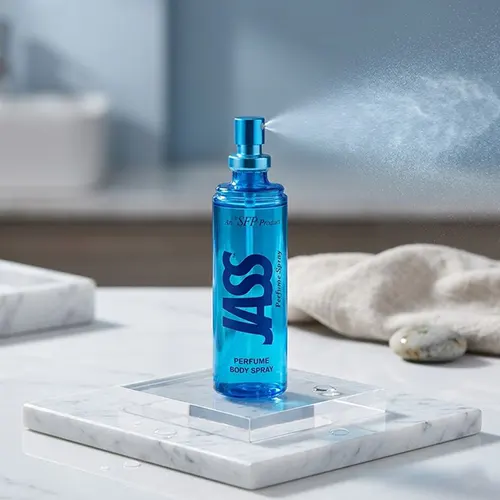
SFP Sons
The Route & Beat Planning and Secondary Sales Tracking modules implemented for SFP Sons to connect market coverage with product movement. This helps teams identify how effectively products are reaching retail outlets and where stronger market execution may be needed.
What Should a Cosmetics Company Look for in SFA Software?
A practical Cosmetics SFA checklist does not need dozens of disconnected features. It should cover the capabilities that support the complete field-sales cycle.
1. Field Planning and Outlet Management
The platform should support beat and route planning, outlet categorization, visit frequency and GPS-based attendance, and visit tracking across different retail channels.
2. Product, Order and Stock Management
Look for SKU and variant-level order booking, product and stock visibility, availability tracking and replenishment workflows suited to large cosmetics portfolios.
3. Retail Execution and Activity Management
The system should support retail execution, photo capture, new product launch tracking, scheme and promotion management, and BTL activity tracking.
4. Market Intelligence
Competitor and retailer feedback should be captured in structured formats, so field observations can be analyzed rather than remaining in messages or notebooks.
5. Reporting and Decision Support
Real-time dashboards should connect visits, orders, sales, coverage, product performance and execution so managers can move from reporting to action.
6. Integration and Field Usability
Offline capability, configurable workflows, ERP/DMS integration and easy field adoption matter when teams operate across different territories and network conditions.
SFA provides a common operational layer for RTM, field execution, and BTL activities.
Automate the Field. See the Market
Sales Force Automation is not simply about replacing manual reporting. For cosmetics businesses, it is about creating a more connected way to plan, sell, execute, and report.
✔ Plan the right outlets.
✔ Execute the right activities.
✔ Capture the right information.
✔ Turn it into better sales decisions.
Platforms such as SalesJump bring these capabilities together, helping cosmetics and personal-care brands connect everyday field activity with sales execution and product promotion.
That is what effective sales force automation should deliver as a cosmetics business grows.
Frequently Asked Questions
1. What is Sales Force Automation for the cosmetics industry?
Sales Force Automation for the cosmetics industry is software that helps brands manage field activities such as beat planning, outlet visits, order booking, retail execution, product availability, market feedback and sales reporting in one connected workflow.
2. How does SFA software help cosmetics reps?
It gives representatives outlet history, product information, planned visits, order tools and activity workflows in the field, reducing manual reporting and helping them use each outlet visit more effectively.
3. Can SFA manage multiple cosmetic SKUs/product variants?
Yes. SFA can support SKU- and variant-level order booking and reporting, which is particularly useful for portfolios with multiple shades, sizes, packs and product categories.
4. Can cosmetics companies use SFA for merchandising/new product launches?
Yes. Teams can use SFA to record merchandising activities, capture photos, monitor product placement, and track whether new products reach intended outlets and achieve market adoption.
5. How do I choose the best SFA software for cosmetics company?
Focus on the capabilities that match your field model: beat planning, outlet management, order and stock workflows, retail execution, market intelligence, dashboards, offline capability, integrations and ease of field adoption.